Material Created By-Fisker Chung
Within lately, advancements in eye surgery have revolutionized the way we approach vision correction, and within these innovations is SMILE eye surgery. Meaning Small Incision Lenticule Extraction, this state-of-the-art laser procedure is increasing in popularity as a safe and efficient alternative for those seeking clear vision excluding the need for glasses or contact lenses. With its minimally invasive nature, SMILE is especially appealing to patients with nearsightedness, offering a solution that boasts a faster recovery and reduced discomfort when compared with traditional methods.
While patients consider their possibilities for laser eye surgery, grasping the benefits and mechanics of SMILE can be vital. Many are interested in what exactly SMILE eye surgery entails, how it works, and what they can expect in terms of recovery and side effects. Furthermore, potential candidates often evaluate the cost of the procedure against the advantages. This article will investigate the ins and outs of SMILE eye surgery, its comparison to other popular procedures, and the life-changing benefits it can provide to those battling with myopia.
Understanding Small Incision Lenticule Extraction
SMILE eye surgery, or SMILE, is an innovative laser eye surgery created to correct shortsightedness. This innovative procedure gives a less invasive approach compared to traditional methods like Laser-Assisted In Situ Keratomileusis and Photorefractive Keratectomy. During the Small Incision Lenticule Extraction procedure, a laser creates a thin, disk-shaped piece of tissue within the cornea, which is then extracted through a tiny opening. https://www.ctvnews.ca/health/proposed-class-action-lawsuit-against-lasik-md-not-authorized-1.5378241 reshapes the cornea to improve vision, providing patients with improved eyesight.
One of the significant aspects of SMILE eye surgery is its precision and slight impact on neighboring tissues. The small incision used in the procedure not only encourages quicker recovery times but also helps maintain corneal integrity. As a outcome, patients often undergo reduced discomfort and a more rapid return to their daily activities. The procedure has attained popularity due to its effectiveness and the lowered risk of issues compared to other vision correction surgeries.
Many patients looking into SMILE eye surgery often inquire about its expense and advantages. While Small Incision Lenticule Extraction surgery prices can differ based on factors such as place and the doctor's expertise, the investment is often defended by the long-term gains of better vision and minimized dependence on eyewear or contact lenses. With https://mgyb.co/s/iahJX on delivering improved visual results and patient well-being, Small Incision Lenticule Extraction represents a transformative option in the field of eye surgery.
Benefits and Costs of SMILE Surgery
SMILE eye surgery offers numerous benefits for individuals seeking a remedy for shortsightedness. One of the main upsides is the minimally invasive nature of the procedure. Unlike standard LASIK, which involves making a flap in the cornea, SMILE involves a reduced incision, leading to less recovery time and discomfort. Patients often report speedier visual recovery, allowing them to return to their daily activities much sooner than with alternative surgical options. Additionally, because the procedure maintains more corneal nerves, many experience fewer dry eye syndrome after the procedure.
When considering costs, SMILE laser eye surgery is a vital aspect for many patients. The cost can vary significantly based on where you are, the surgeon's expertise, and the technology used during the procedure. On average, patients can expect the price of SMILE surgery to range from 2000 to $4000 dollars per eye. While this may seem high, many find it to be a sound investment when considering the long-term financial savings on glasses and contact lenses. It's recommended to check with individual clinics as many offer financing options to make the procedure more affordable.
In assessing the advantages versus costs, many patients find that the long-term advantages of enhanced vision and the convenience of being free from corrective lenses often exceed the initial financial commitment. Furthermore, SMILE eye surgery is known for its low rate of complications and side effects, making it an desirable choice for those who prioritize their health and vision. With progress in technology, SMILE continues to be a prominent option for vision correction, providing sharp sight and enhancing the quality of life.
Post-Procedure Care and Side Effects
After completing SMILE eye surgery, patients generally go through a relatively quick recovery. Most individuals see enhanced vision within a day or two, with many returning to normal activities shortly after the procedure. It's suggested to take it easy for at least the first first day post-surgery and to avoid strenuous activities. Follow-up appointments with the eye doctor are vital to make sure that healing is progressing as expected and to tackle any concerns.
Like any surgery, SMILE eye surgery can have potential side effects. Some common side effects include temporary dry eyes, mild discomfort, or blurred vision in the initial days after the procedure. Most of these problems typically clear up on their own as the eyes heal. Patients are encouraged to keep their eyes moist using prescribed eye drops to alleviate any dryness.
Long-term side effects are rare but can feature visual disturbances such as glare or halos around lights, particularly at night. While these side effects may lessen over time, it's crucial to discuss any persistent issues with an eye care professional. Generally, the benefits of clearer vision and reduced dependency on glasses or contact lenses often exceed these temporary inconveniences.
Comparing SMILE with Other Procedures
When considering ophthalmic procedures, two frequently considered choices are Small Incision Lenticule Extraction and PRK. Small Incision Lenticule Extraction, or Small Incision Lenticule Extraction, uses a gentler technique to reshape the cornea and correct nearsightedness. In contrast, PRK, or Photorefractive Keratectomy, involves removing the outer layer of the cornea to access the underlying tissue. While both procedures seek to correct vision, SMILE typically offers a faster recovery time and less postoperative discomfort due to its minimally invasive approach.
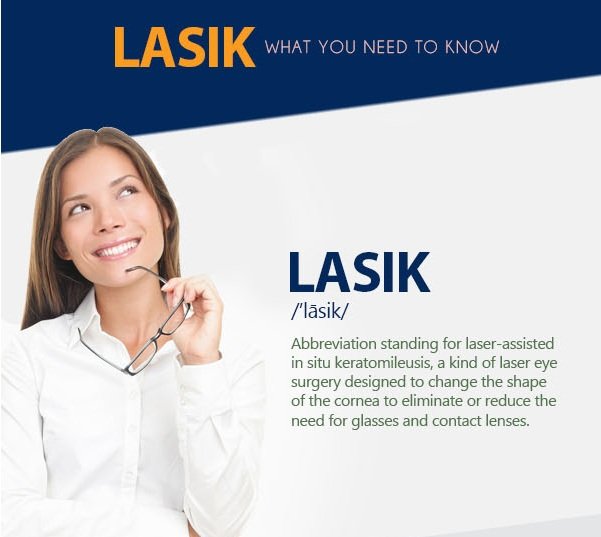
Another notable aspect of Small Incision Lenticule Extraction compared to standard LASIK is the incision size and absence of a flap. LASIK requires creating a corneal flap, while Small Incision Lenticule Extraction only involves a tiny incision, which maintains more corneal structure. This flapless design can potentially diminish the risk of certain complications associated with flap creation, providing added safety for the patient. Although Laser-Assisted In Situ Keratomileusis has been commonly applied and proven effective, many patients are now choosing SMILE for its cutting-edge technique and patient-friendly recovery.
Cost is always an important consideration when evaluating surgical options. The Small Incision Lenticule Extraction surgery price can differ depending on the geographic area and the surgeon's skill, just like Laser-Assisted In Situ Keratomileusis and PRK. While SMILE may initially appear more expensive, many find its benefits, such as reduced recovery time and fewer side effects, support the investment. Additionally, many clinics offer financing options, making this advanced procedure more accessible for those looking for enhanced sight.